Sunday, 15 December 2013

Growth of Birth Tourism in Saipan


Birth Tourism
  Our little hospital has grown stronger in many ways under the leadership of our motivated and engaging CEO, Ether Muna, in the past year. We have more resources in nursery, pediatrics but still not an excess to spare for the quick rise in Chinese citizen births in Saipan. Chinese babies are now the #1 ethnic group delivering in Saipan, and it's becoming a bigger issue.

What I'm talking about is not Chinese citizens who have chosen to live in Saipan and have children. We are a country of immigrants, a child of a couple myself, and would never hold prejudices against those coming to this country (even this commonwealth) to contribute to it.

 The ones giving birth and by and far wealthy priveleged Chinese couples who, by law, can only have 1 child in China. They are coming to have a 2nd child and gain the benefits of US citizenship for that child in the future. The mother comes at 6-7 months pregnancy, wearing loose clothing via travel agents that profiteer in this type of work. She usually overstays her visa and once she delivers and all seems well with the baby- flies back to China with a U.S. passport in hand for the baby.

 It seems the local government is finally taking some steps to deter this, but it'll be some time before the numbers really start falling.

Saipan government taking steps to deter more birth tourism

Next post will be a baby success story!

Tuesday, 23 October 2012

For the want of $5, a $50,000+ bill

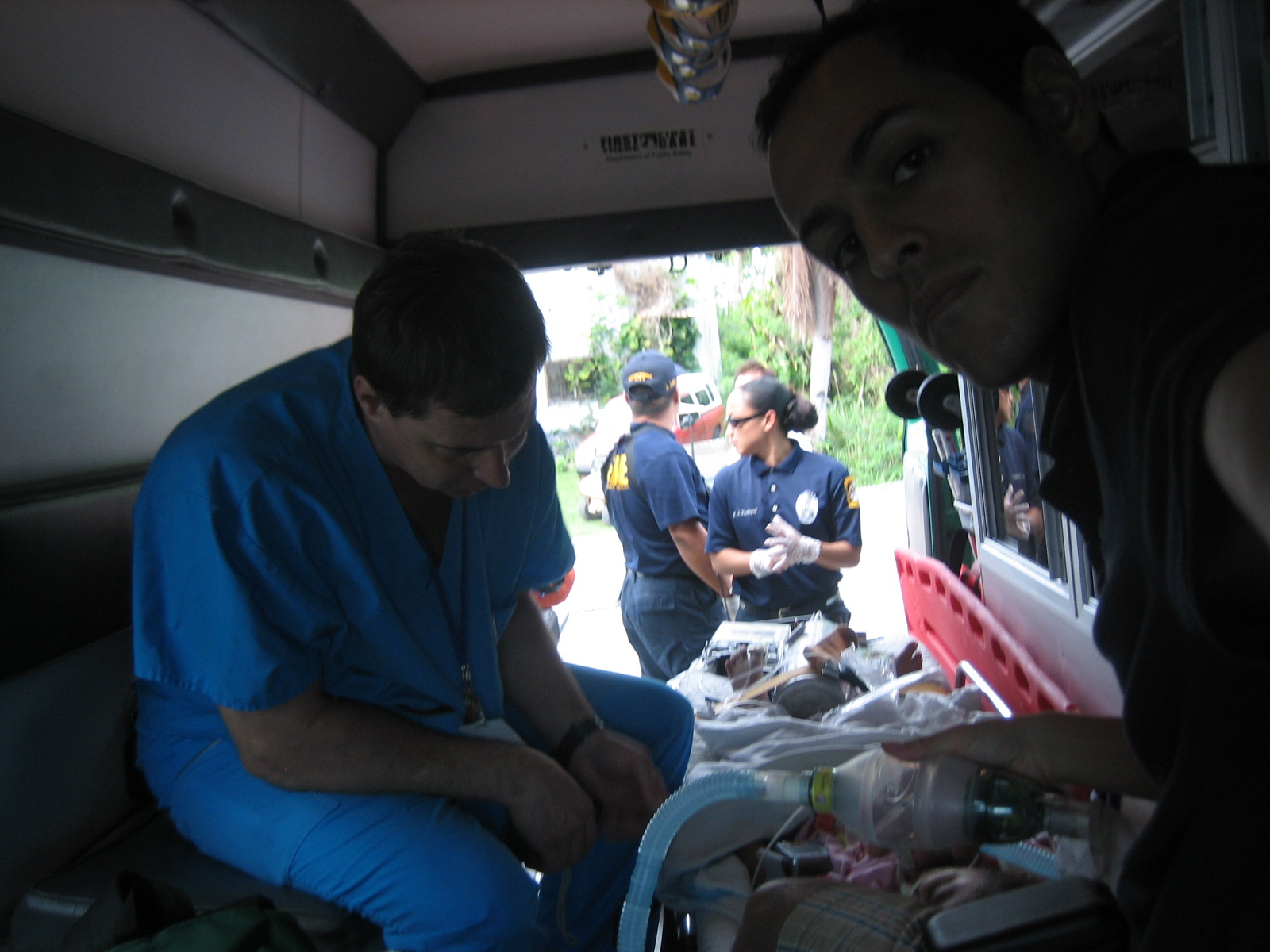
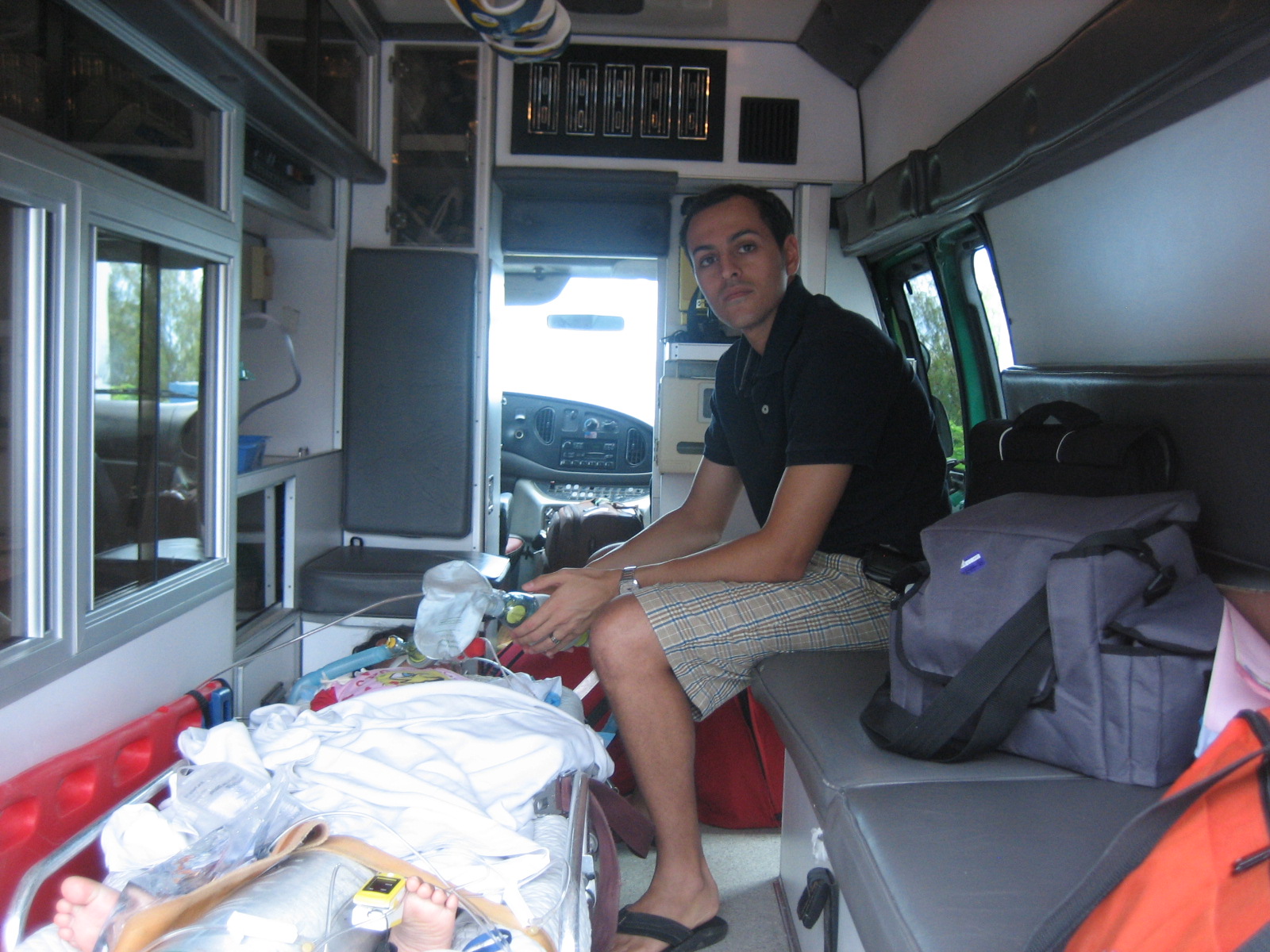
A young mother-to-be, at about 6 months pregnant, developed a urinary tract infection. Common enough and quite easy to treat. Coming from a local family with little means, she couldn't afford the $5 for the antibiotic. Until this summer, the Medicaid she had would have covered this routine prescription and she may have gotten her treatment. Because the local government has not paid it's bills to the pharmacies of the CNMI*- over a $1,000,000 owed- that is no longer the case. Instead, the infection spread and caused her to go into labor 3 months early. Rushed to the hospital, the obstetrics team could not stop the delivery. The small, fragile boy was born weighing under 2 pounds and after barely surviving the first few days, it was clear he would need around the clock critical care. At 3 weeks of age, he has made only small improvements and needed to be transported by our medical team across the ocean for specialized care. At a minimum, his bill for the transfer and care at the other hospital will be $50,000. That is besides the critical care hospital bill for the last 3 weeks, and the months of care he will still need in the future.

 We work at the only hospital in the CNMI, on the largest of the 12 islands, three of which have a significant population. In a probationary period by Medicaid, there is a real chance of losing the main stream of funding that keeps this hospital afloat. The governor is currently in the process of being impeached for charges of corruption. If only we could be optimistic that the future is brighter and the local officials would take the healthcare of their community seriously by appropriately allocating funds and finding long-term solutions. Either way, we returned back to Saipan to serve this generous, proud, smiling island people as long as we can.

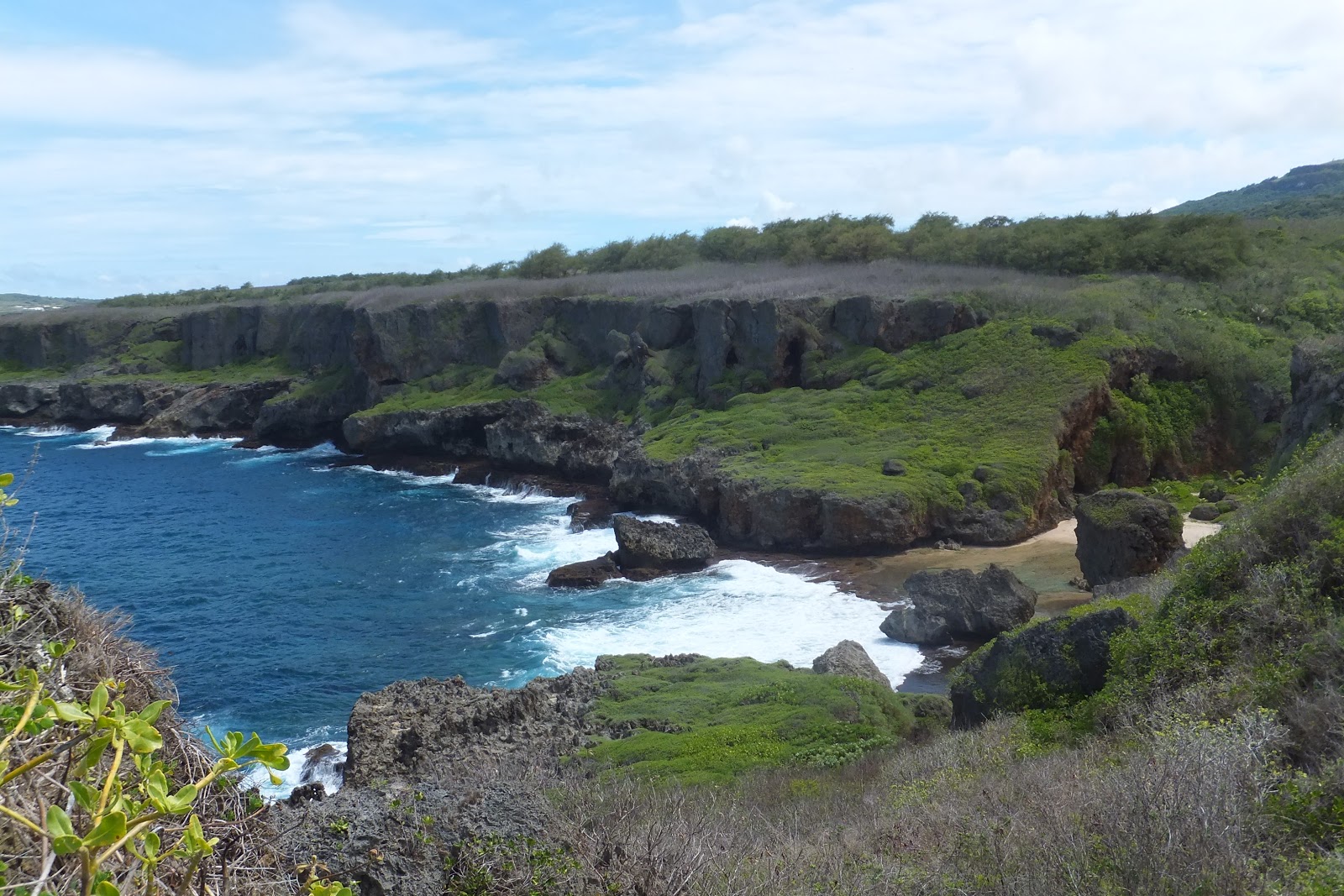
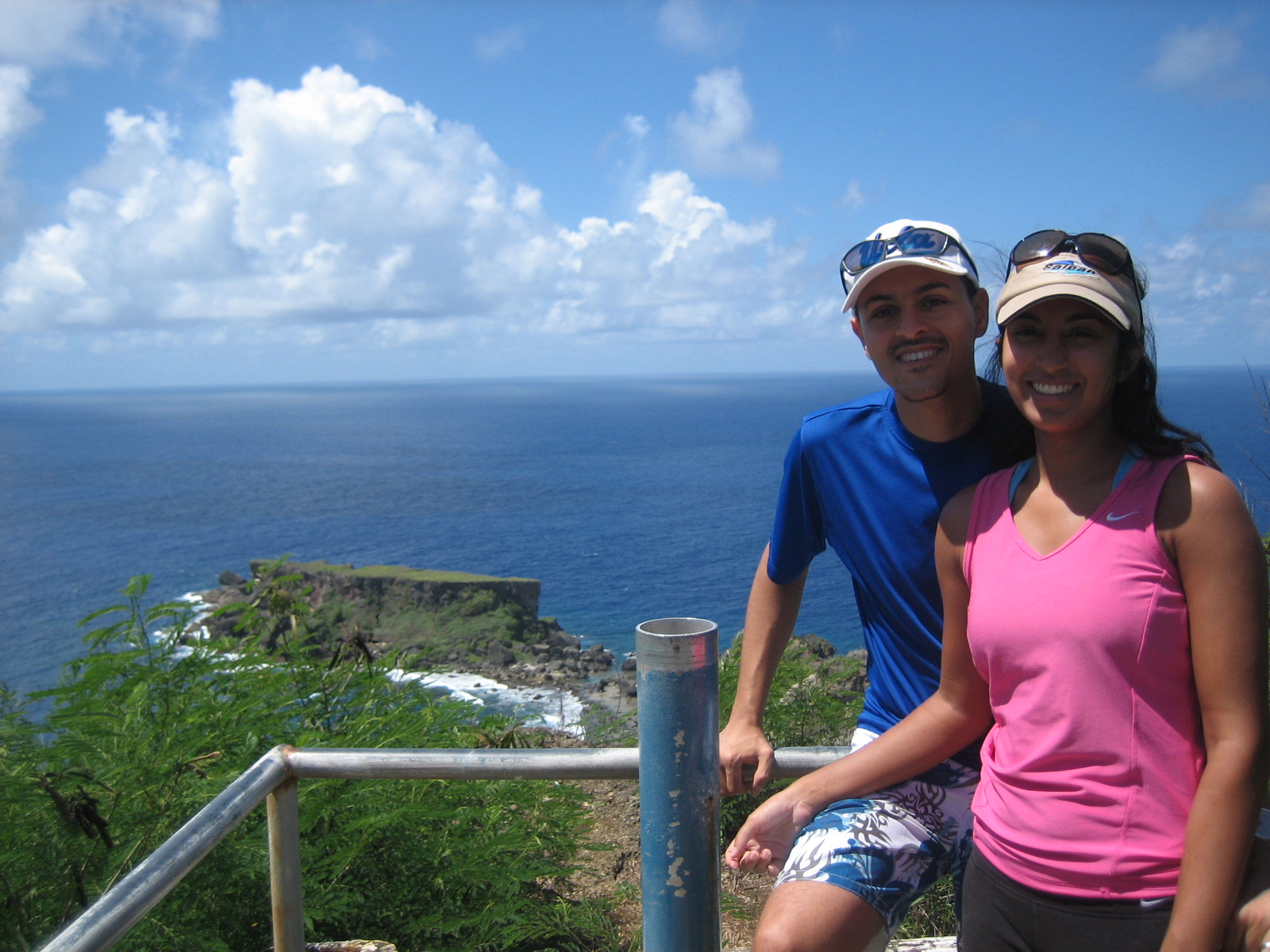
On a lighter note, we after returning from our Asia travels, we now live closer to the more rugged Pacific (east) coast of the island. Here's some pictures from adventures out here.

*Commonwealth of the Northern Mariana Islands


Thursday, 21 June 2012

Complicated Cases? Next island please.


 I've been reluctant to share too many details about the children I'm caring for. Not for lack of interest because we definitely see some perplexing, complicated and even amusing cases. It's mostly to protect their families' privacy. This case from last month will be an exception:

 "Dina" (not real name) needed to be medically evacuated for specialty care that we can't offer in Saipan- we have no neurosurgeons, no MRI machine nor a pediatric neurologist. In fact, we have no pediatric specialists- which actually makes my work that much more enriching and exciting: I get to dig deep in my knowledge base and peruse the literature myself in a range of fields that in the mainland I'd refer out- immunology, cardiology, kidney diseases and by far the most prevalent: infectious disease.

 This 8yr old was having a progressive illness leading her to go from an adorable, active chatterbox to paralyzed from the neck down over a couple months. We needed to get her to the closest major referral center. As of now, that is Manila, Philippines. To get there is a 45min flight to Guam, then a little under 4h flight to the capital of Philippines. Given the complications, a doctor, nurse and respiratory therapist were to travel with her. As my first air transport that involved moving this young girl between SIX places- I thought it worthwhile to document:

#1: ambulance from the Commonwealth Health Corp. Center, the main hospital of the Commonwealth of the Northern Mariana Islands to the helipad in the south of the island:


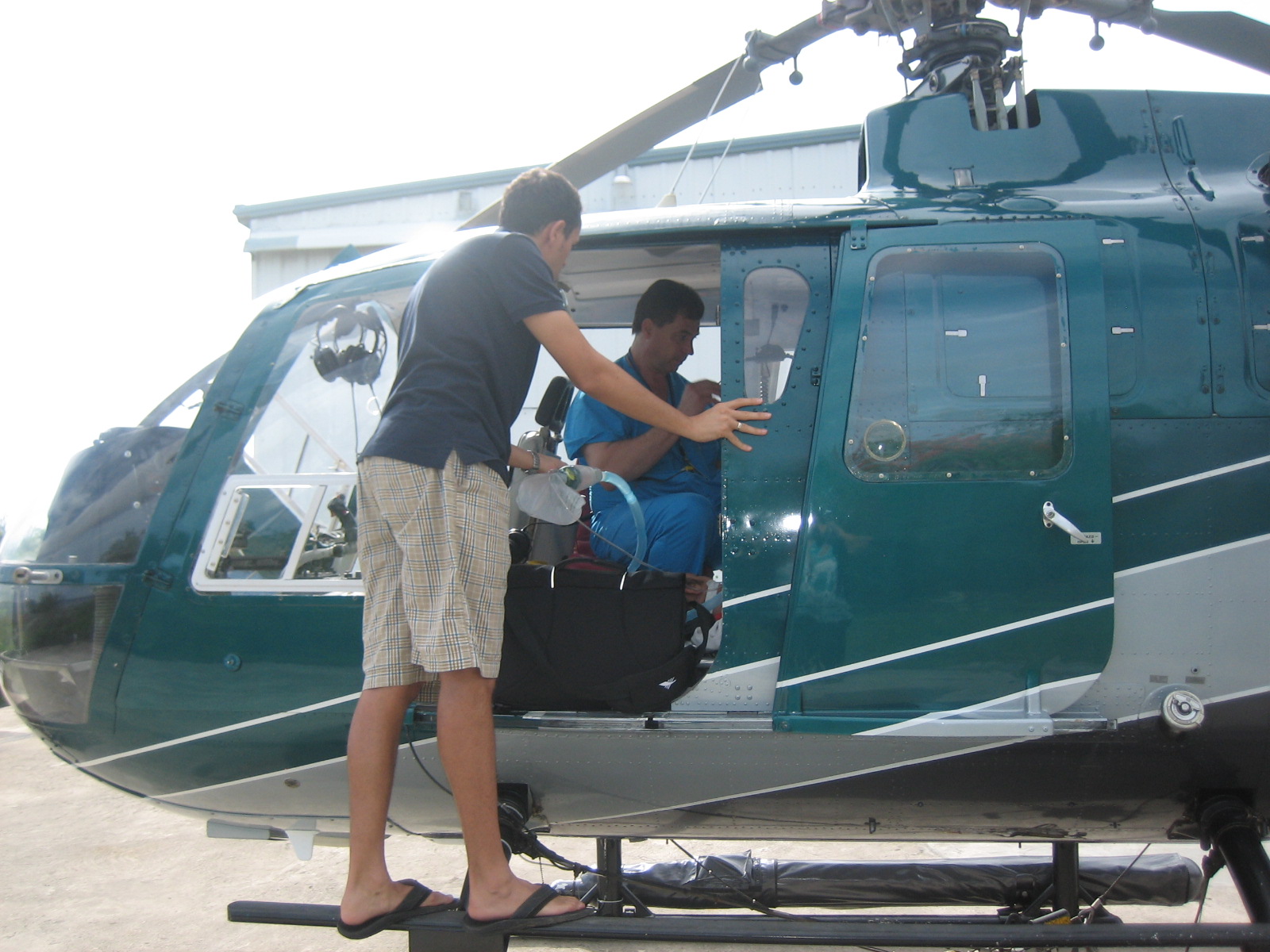
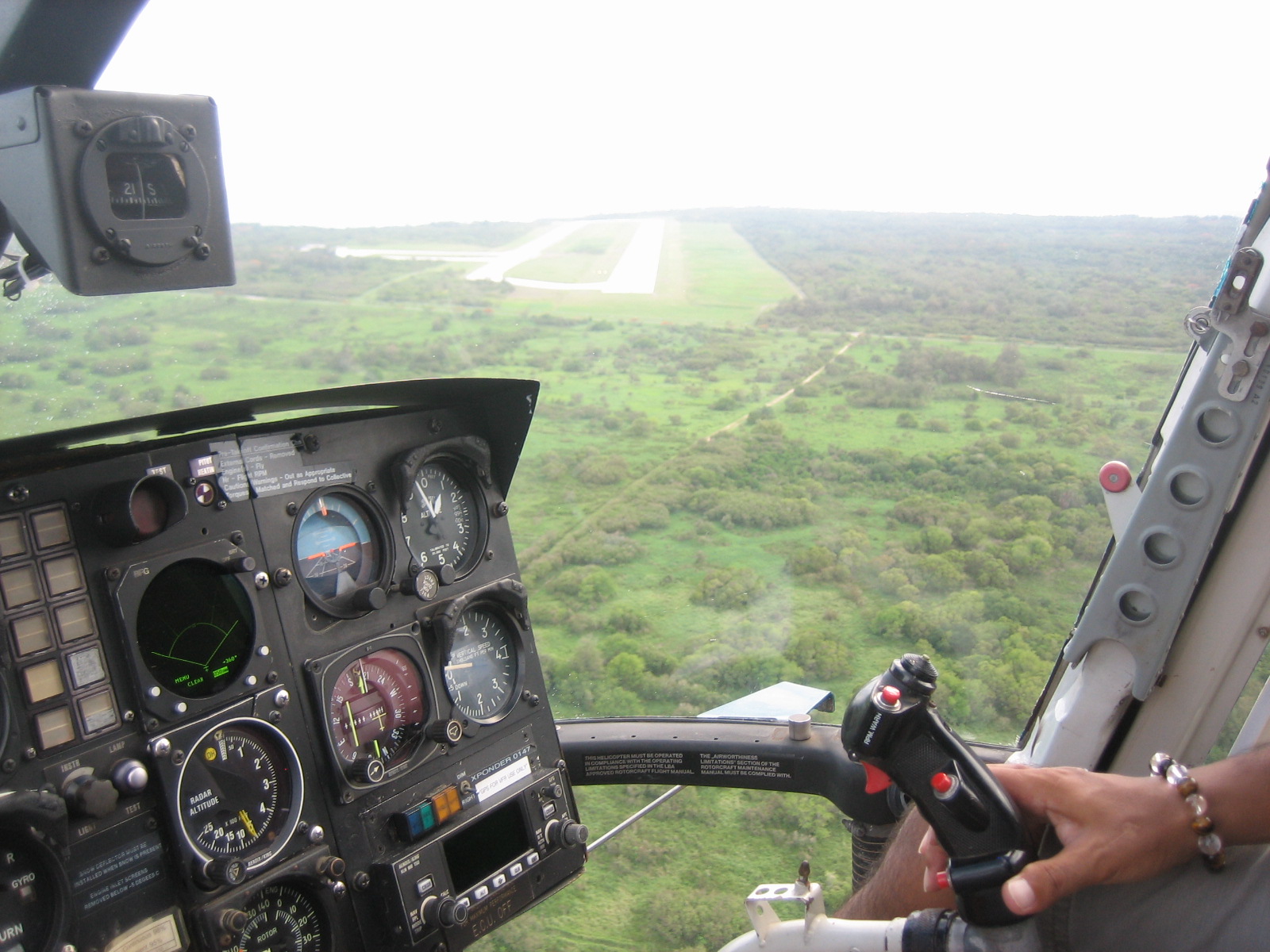
#2: Onto the helicopter, continuously "bagging" (manually inflating the breathing bag) as we fly the 1hour, four islands south to Guam.


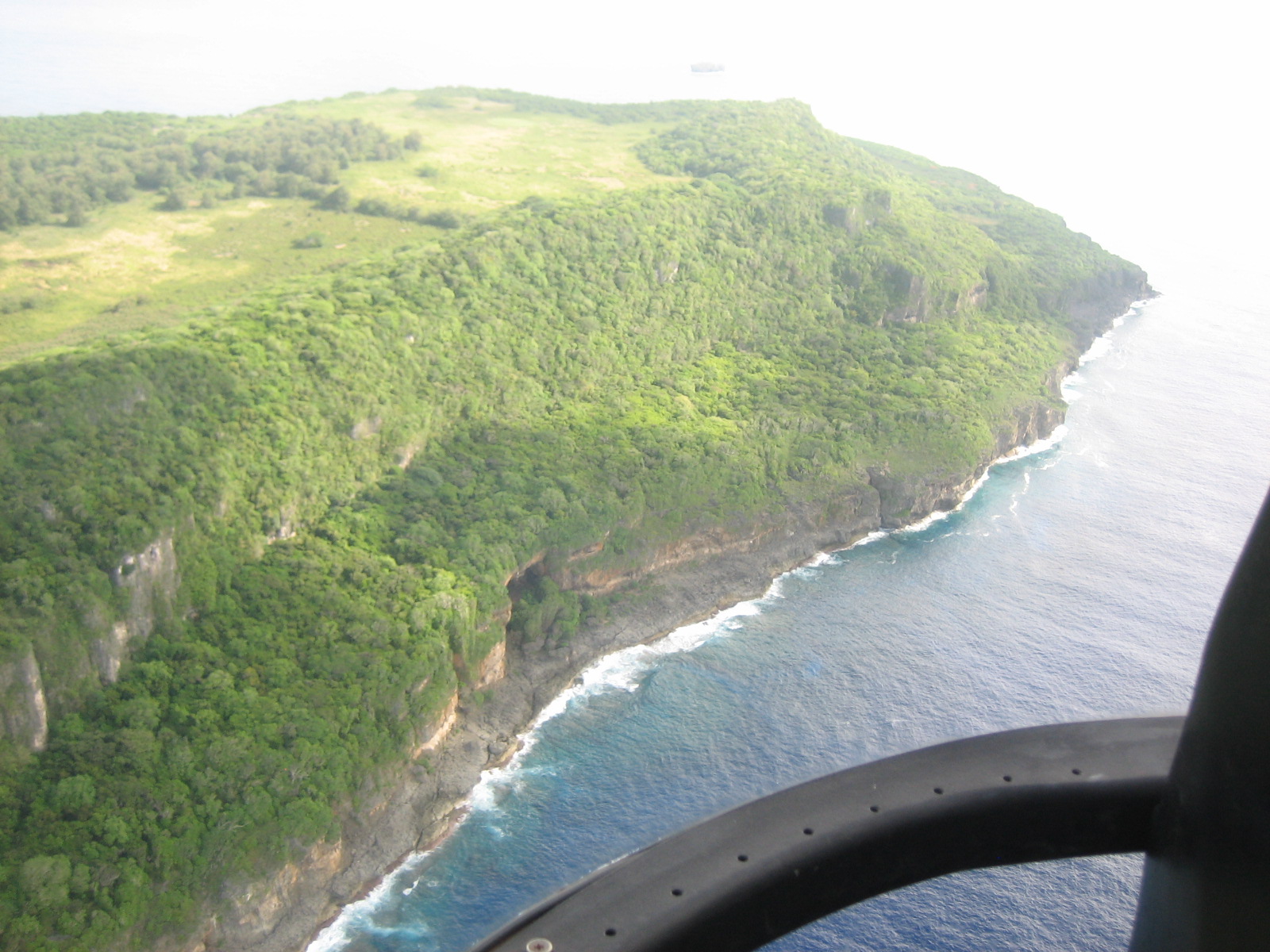
First island is Tinian, 2nd most populated in CNMI. This is where the South Pacific WWII campaign had its strategic location. At one point, North Field was THE largest and busiest landing strip in the world with war planes taking off or landing every minute. It is also where the plane that had the first atomic bomb launched from.


Second island is "Goat Island" an uninhabited island- except for goats.


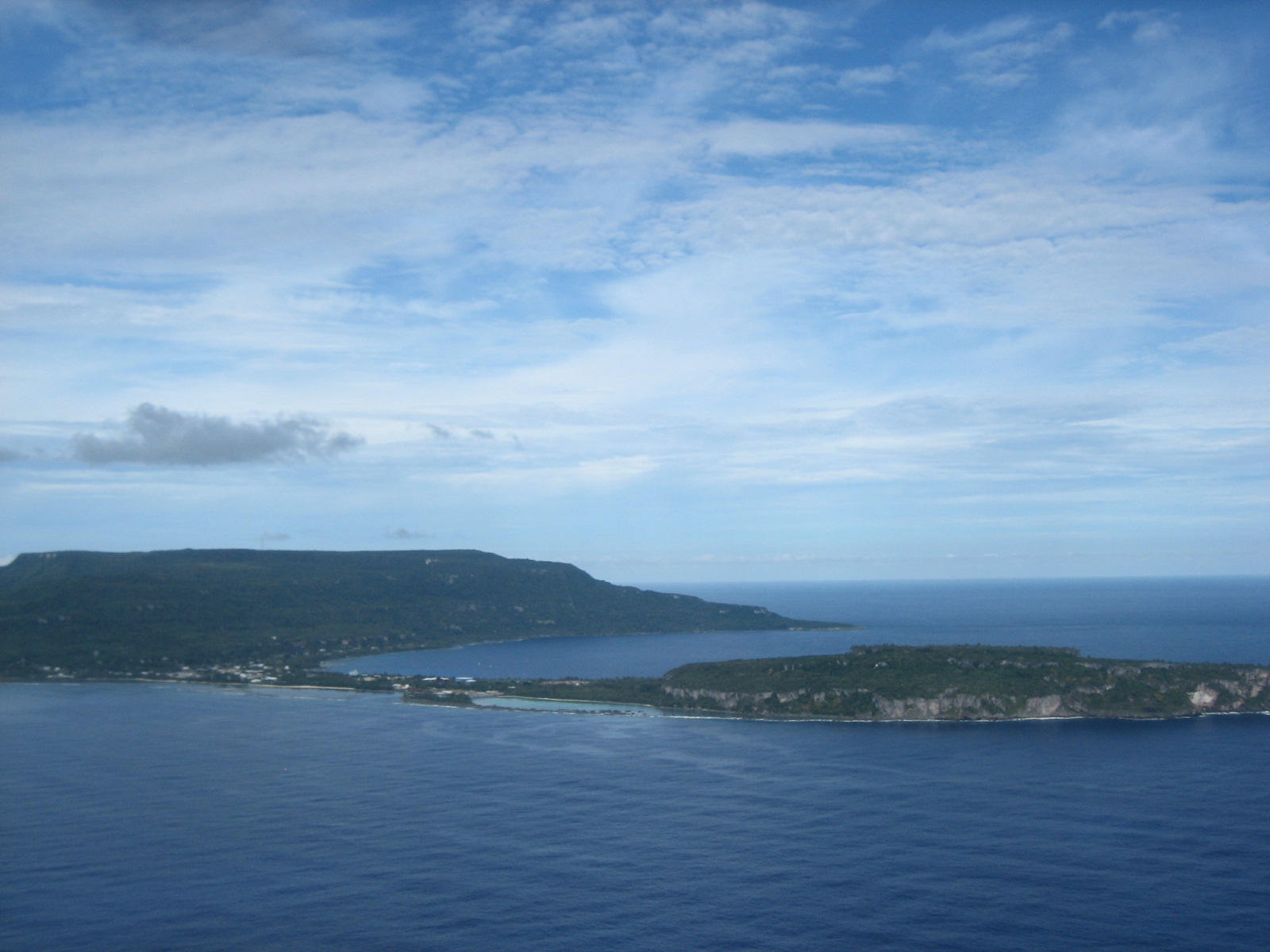
Third island is Rota, the smallest of the populated CNMI, known as the 'friendly island' where the reaches of WWII did not touch and so much of the original tropical beauty remains. Nadeah and I will get to see for ourselves next week when we visit for the first time. That small isthmus connects the large part of the island and that 2-tier outcropping known as "wedding cake"


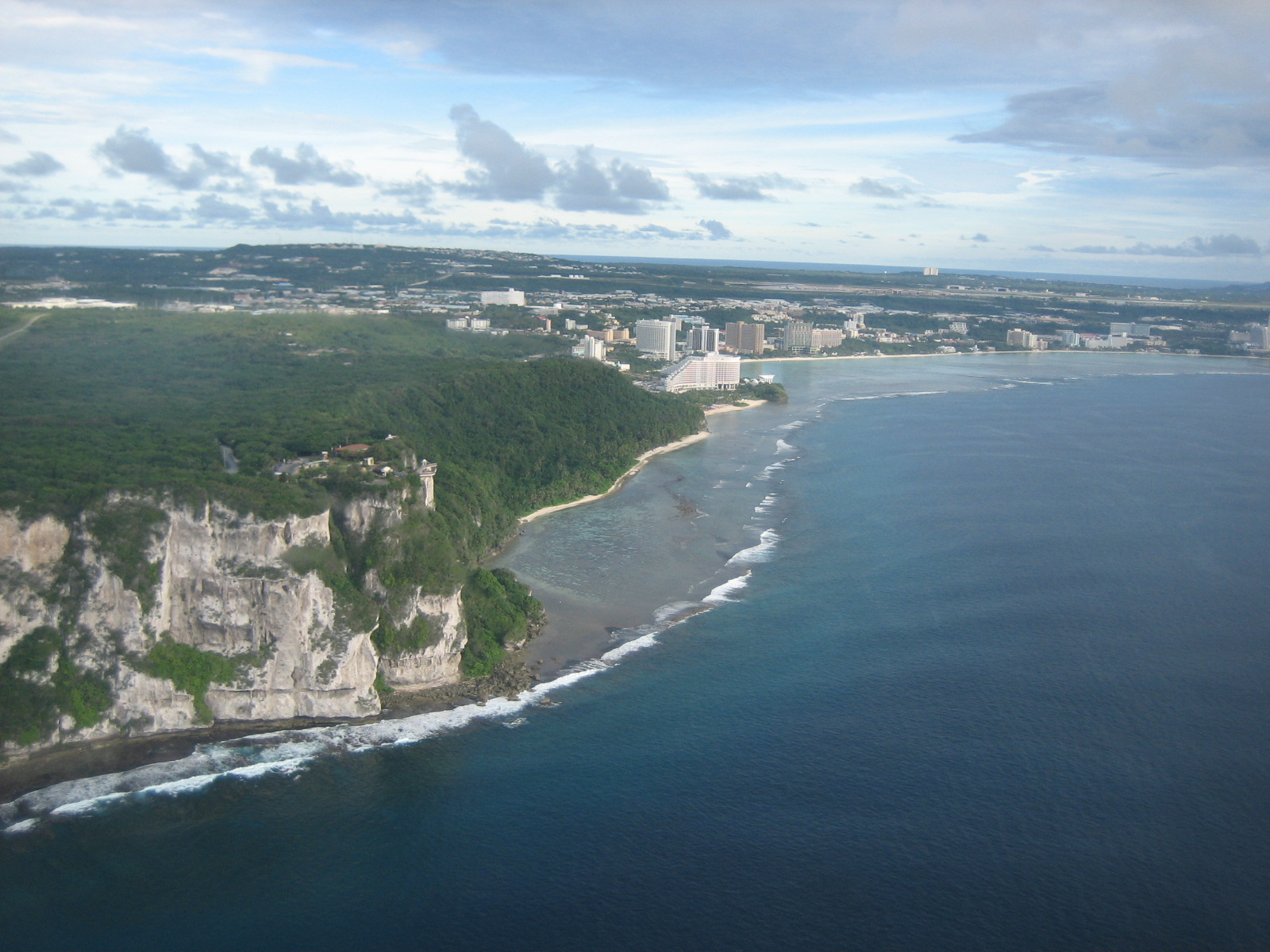
Fourth island is Guam, by far the most visited and commercial of the islands in this chain. The north half of the island is essentially the U.S. military, with its own shops, restaurants and economy- not benefiting the locals who survive off tourism. The massive hotels seen here on the edge of the gorgeous lagoon are the hub of that tourism.


#3: Ambulance from helicopter to the United airplane to Manila (not pictured)
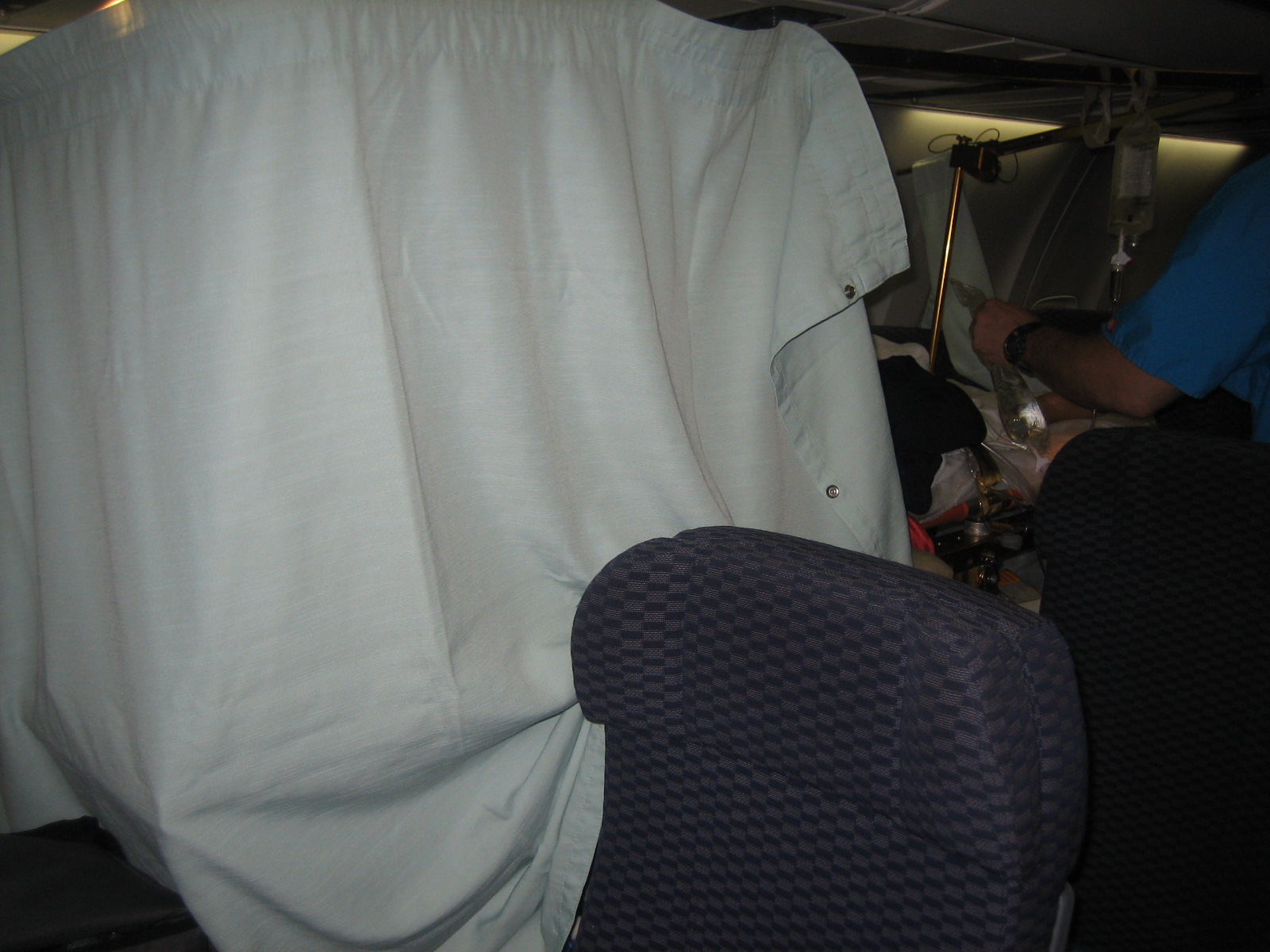
#4: Make shift ICU in the economy section of the plane. The outer 2 seats in 3 rows were folded forward and the stretcher was hoisted over them. We sat in the aisle seat of those 3 rows, working through a curtain. It was half to protect the girl for gawkers eyes and half to protect passengers from the disheartening image of a girl with a breathing tube.


#5: Going through customs, immigration in Manila and getting her on the ambulance to the hospital
#6: Arriving at the hospital around 11pm and giving report to the doctors who will take over her care in the ICU. Also not pictured.

 The one update we've gotten from the hospital in Manila is that her condition does not seem reversible at this point, a sad outcome. Unclear if there was anything more we could've done, will have to read the medical reports when she returns to Saipan..

 Hope you learned a little more about what my work entails and the neighboring islands now and historically.


Wednesday, 9 May 2012

Feasting at Food Festivals

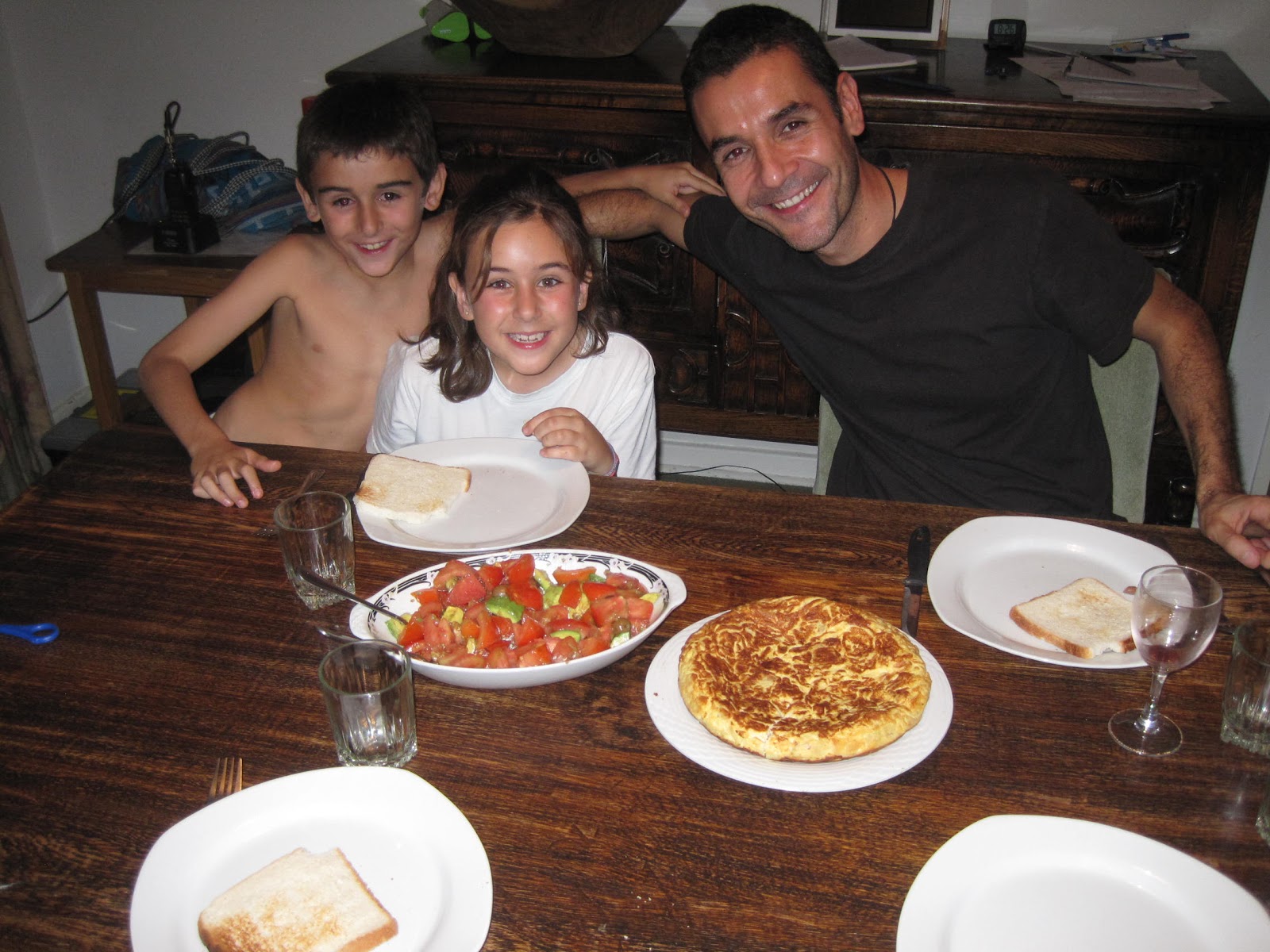
One of the more exciting things about traveling to new places (especially for Nadeah) is trying out different foods. Being on the cusp of Asia, we are immersed in a wide variety of amazing foods. On a small island, we weren't sure there'd be a variety of food options. Thankfully we can easily find the ingredients to make foods ranging from Wahoo fish tacos (actually wahoo just caught here in the photo) to Kim Chi to Sushi to Pad Thai. More surprising was finding all we need to make our first ever home made lasagna.


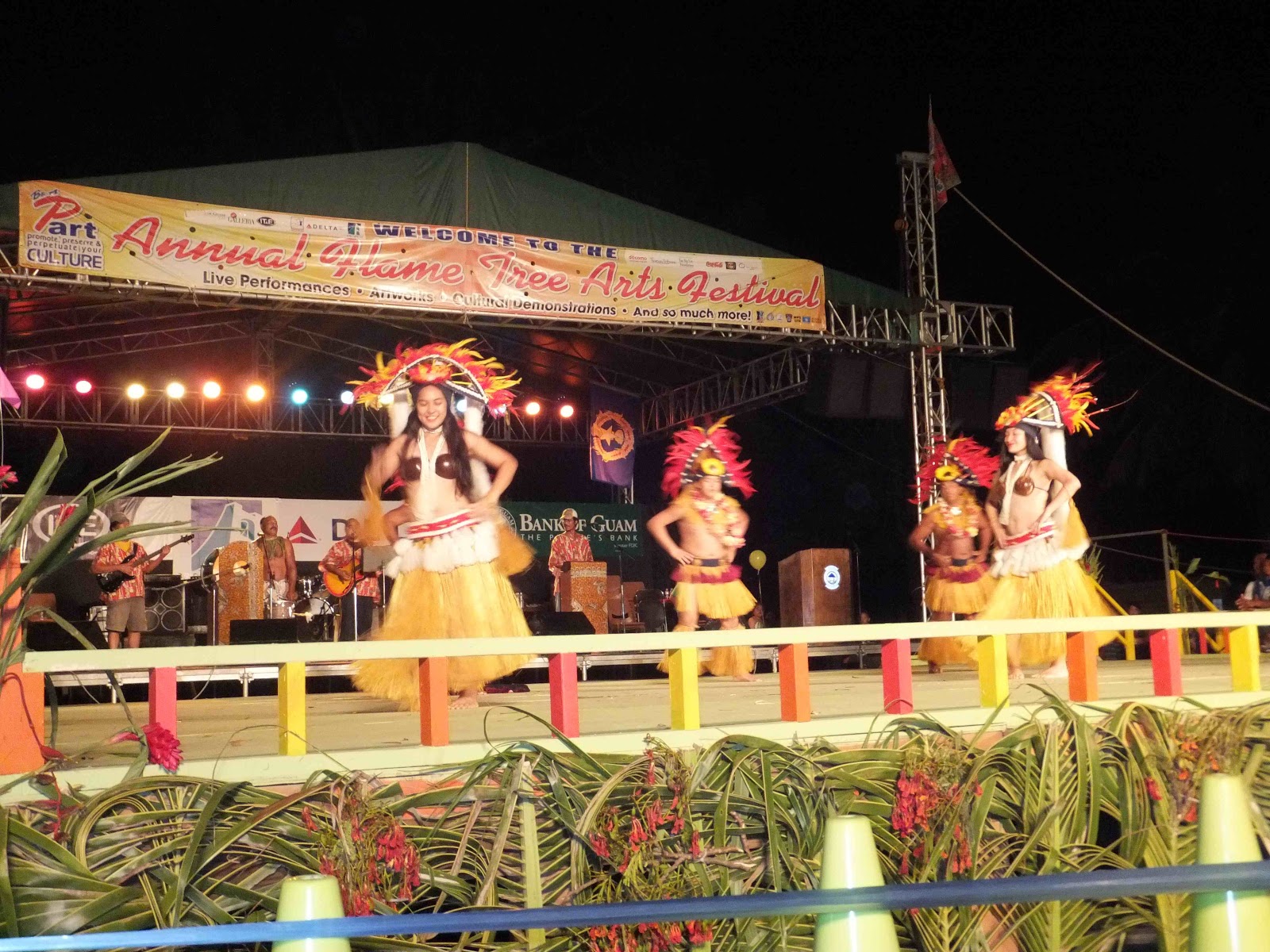
 Street food and festivals with food booths (think state fair) are big here. Thursday night market takes over one street in the city center a few blocks long with our favorites being chicken on a stick, coconut drinks, noodles of all types and boba drinks. This time of year has a few major annual festivals, including the Flame Tree Festival and the Taste of Marianas as well as Charter Day at the only college in Northern Mariana Islands. Native Chamorro, Carolinians and visitors from other Micronesian islands performed all three 3 nights of the free festival.


Saturday, 5 May 2012

a big Fan of the sea

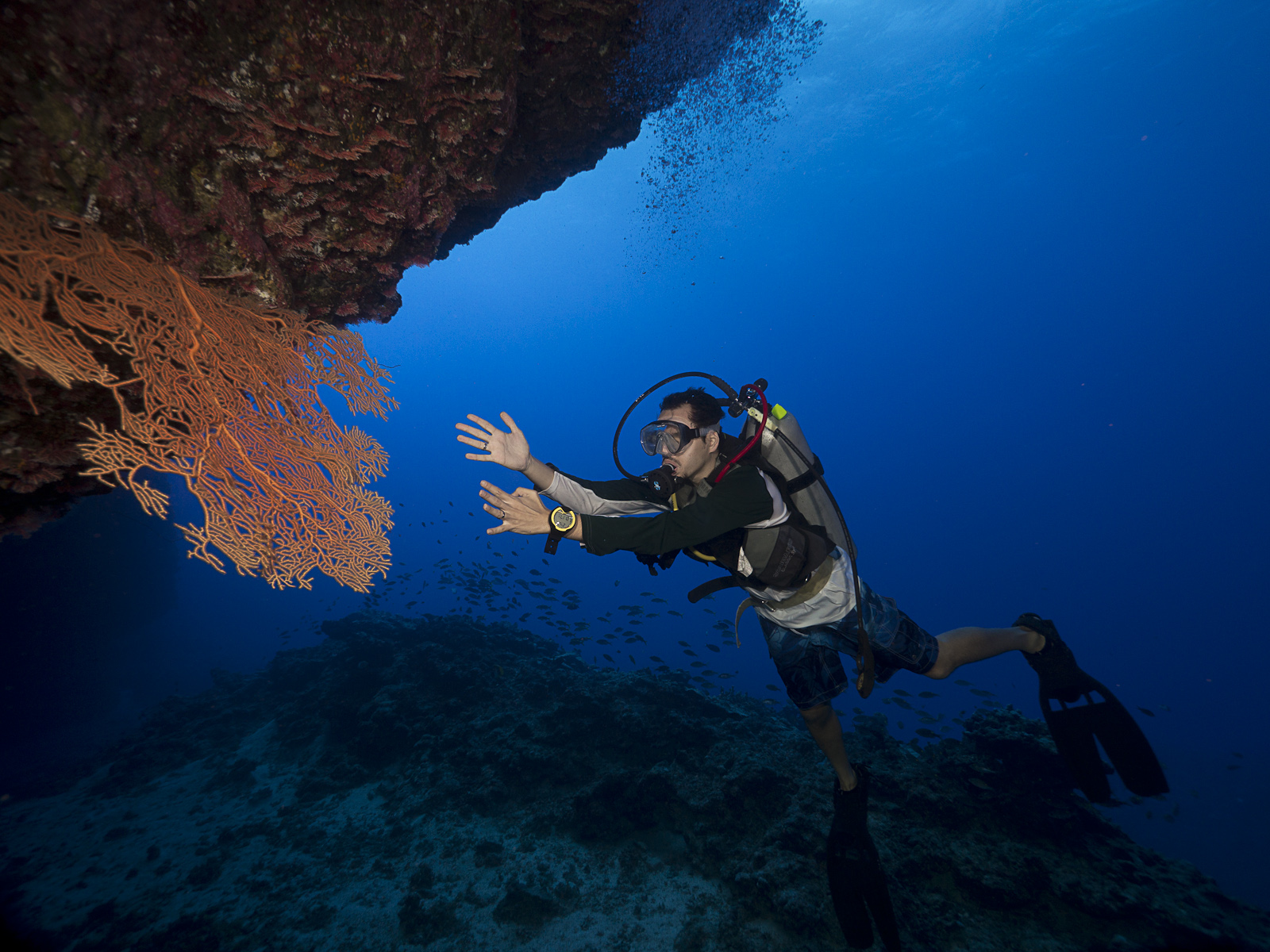
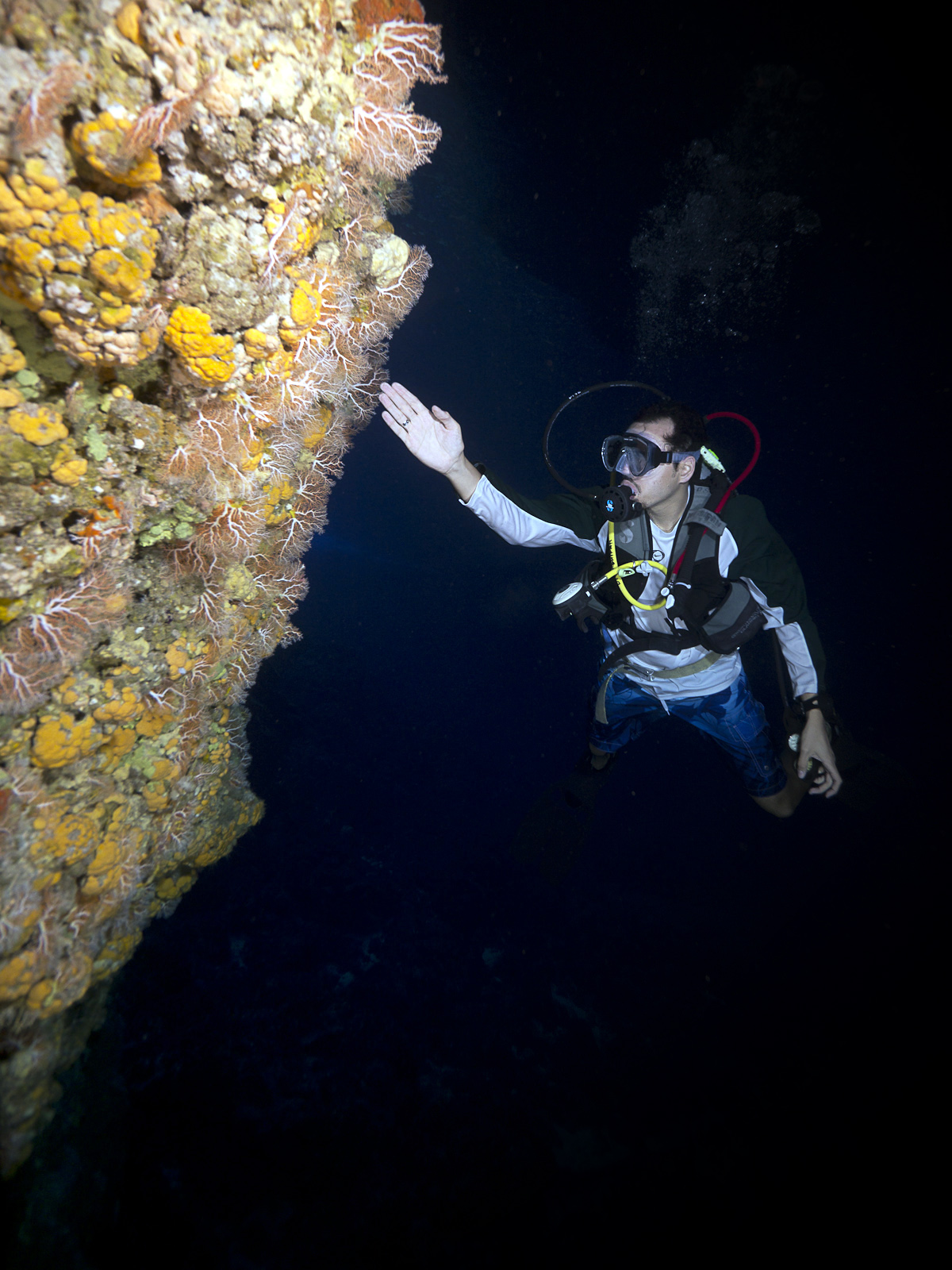
Scuba diving in Saipan has some awesome sights. This photo seems enhanced or fake and besides editing some blurry areas- it is totally this vibrant and colorful. This is at 'the Grotto' a series of underwater caves and tunnels at the gorgeous north end of the island. The surrounding colorful foliage are known as sea fans. Think japanese hand-held fans.


In addition to this massive sea fan, in the distance you see large schools of fish- one above me, another below.


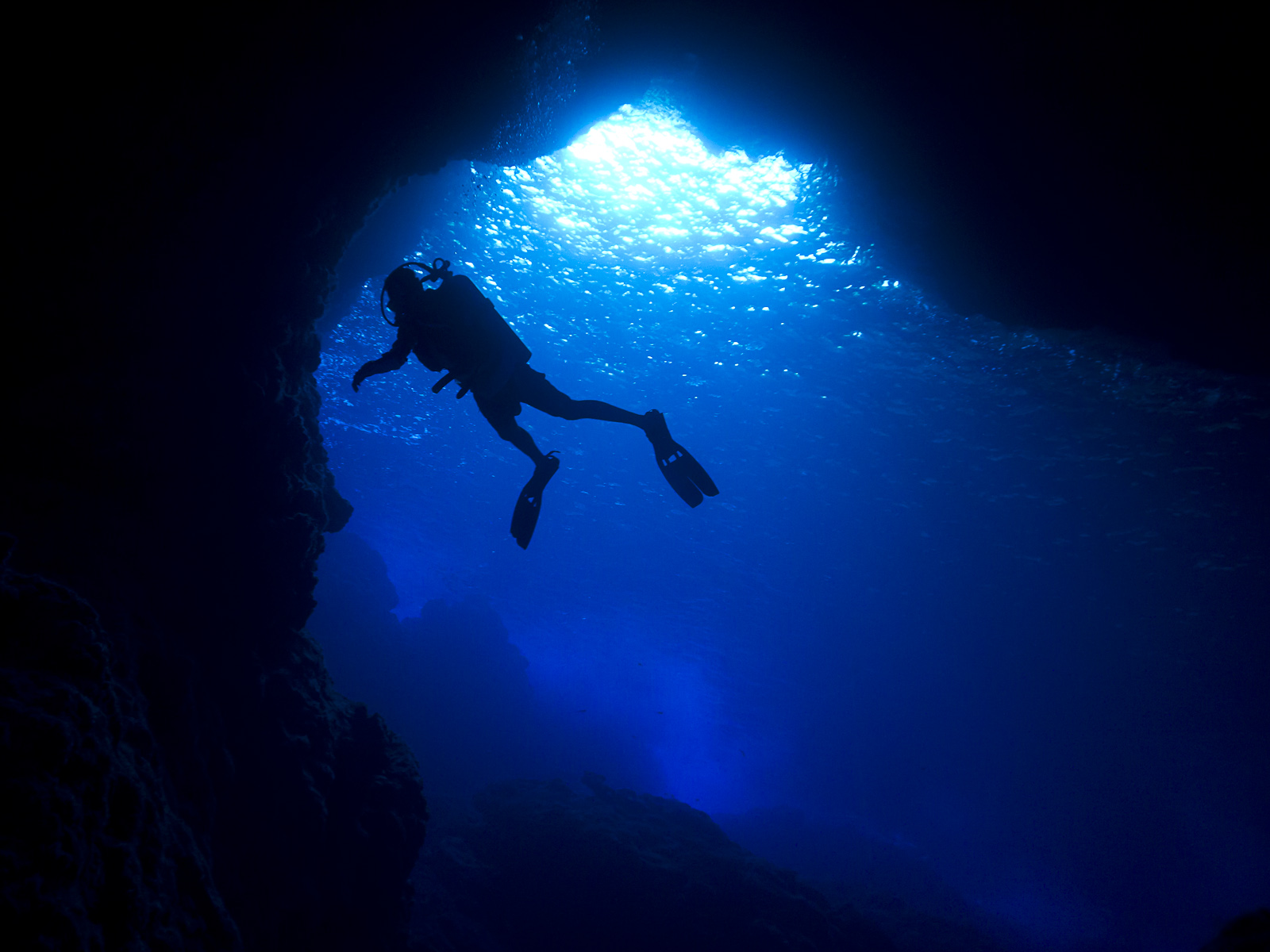
 The glow of light coming through into the cave gives this one an eerie sci-fi feel to me. Some moments down there feel a lot more like outerspace than being on the surface.


Tuesday, 10 April 2012

Strange fusion of tri-athletes and WWII relics

You learn quickly on Saipan that you are surrounded by a high per-capita of athletes. Not just regular athletes, tri-athletes as in triathlons. This past month alone there were 2 international triathlons, the Xterra and the Tagaman. In between actual competitions, the athletes are always up for training sessions wherever they can squeeze one in. Swimming in the always calm western lagoon- protected by the reef a mile out- is a good place. In other parts of the world you'd measure how far you swam by a buoy. But that wouldn't be as interesting..

 Saipan is 3hr flight from Japan, who controlled the island and much of the region until shortly after Pearl Harbor and the U.S. waged its Pacific campaign against Japan. Battle of Saipan was a major one that saw 10s of thousands of lives lost on both sides. Relics of the war are found all over the island. Unexploded shells from planes and grenades are still found on a regular basis..

 Across the street from the courthouse in Susupe, visible from the beach, are 2 Japanese tanks in the shallow lagoon, sunk about 1/2 way with their barrels pointing at the island. Even though they are rusted out, sitting in a picture perfect lagoon, there's still something innate in you that says "run away!" when you look down a barrel of a tank. As I swam toward the tank the first time, I felt a bit courageous and foolish- like a OWS protester running directly at a police barricade. Not so to the residents of Saipan.

 Like scheduling a yoga class, there is a MWF 12pm "Around the tanks" 1.3km swim. There's even a home made promotional video to get a glimpse of all this action. Dont mind the 80s synth beats, they dont get too many live shows around here.

 http://www.youtube.com/watch?v=ypA5NHnTfEU

Saturday, 31 March 2012

SCUBA diving into the fish tornado.

 In January, rather than head straight home from Zimbabwe- Nadeah and I traveled across a few areas of Africa. One of our favorite stops was 10 days on the island of Zanzibar off the coast of Tanzania in the Indian Ocean. Known as one of the Spice Islands it is a major scuba diving destination. Knowing Saipan is also a haven of scuba diving, I took advantage of our traveling time and got my 'Open Water' certification. Though it was trade wind season in Zanzibar, making the boat rocky in the wild waves, down below the surface it was spectacular.

 On my first dive in Saipan, with the oddly named Axe Murderer Tours, I got to see the fabled fish ball- which would be better called a 'fish tornado' as this school of over 300 fish swam in a tubular shape that was about 15 feet high. Mesmerized by it as I approached, my partner took the lead and swam into it as I slowly followed. It eventually closed around us and besides sand far below and sunlight on the waves above- we were surrounded by these fish. An awesome experience to be in the "eye" of the fish tornado.

UPDATED (April 4th)-
Thanks to my new friend on Saipan, divemaster 'MikeRonesia' I have attached here a photo of someone in the 'Fish Tornado' at LauLau beach to give you a glimpse. enjoy


Tuesday, 27 March 2012

From arid winter to lush summer

When fellow UCSF pediatric resident Chris Carpenter (who writes a great blog, Backpacks and Stethoscopes, chronicling his adventures) told me about his gig in Saipan last year, I was halfway into my year in Zimbabwe working for "Doctors without Borders" (Medecins Sans Frontieres). It sounded as far away on this world from where I was as could be. In fact it was just about 1/3 of the world away- 8 time zones ahead.

 My work in Bulawayo, Zimbabwe was in a dry, land locked region of a country handicapped under the rule of a paranoid tyrant, Robert Mugabe. Living in a communal home, making very little as a volunteer, I was part of a large MSF team that I absolutely admired and will remember for the rest of my life.

Saipan, on the other hand is a lush tropical island the size of San Francisco (~45 sq miles) that falls under the lesser known U.S. commonwealth. There would be a small team of laid back docs at the island's only hospital. There, both Nadeah and I could work and get a U.S. type salary- much needed to put a dent in each of our looming 6 digit loans. So we made the leap and here we are.

Tune in soon for the story of my first scuba dive the week I arrived and my experience in a fish tornado..

Wednesday, 31 August 2011

Victoria Falls

No trip to Zimbabwe is complete without visiting its major attraction, one of the 7 natural wonders of the world- Victoria Falls. We went up on a special weekend- the VicFalls Marathon was being run by 5 of our friends from MSF and WorldVision with a mix of half and full marathon runners. We also celebrated my 31st birthday at this majestic site.


In the peak season (April-May) Victoria Falls has the largest water volume flowing over its edge in the world.

Tuesday, 30 August 2011

Farewells and welcomes

 Life in the iNGO (international NGO) world involves a lot of farewells and welcomes. With people spending between 9months and 2 years in resource limited countries for any given project, there's almost monthly farewell parties and often times welcoming a new person at the same event. This was the case 2 weeks ago when Nadeah arrived in Zimbabwe and Phillida had a farewell party before leaving for a WorldVision job in east Africa.


That same weekend, she met some of my Zimbabwean friends, going on a hike in scenic Matopos nat´l park. Some awesome landscape like this paper bark tree, where the bark peels off with the texture of fillo.


Thursday, 30 June 2011

Sadza and Braai

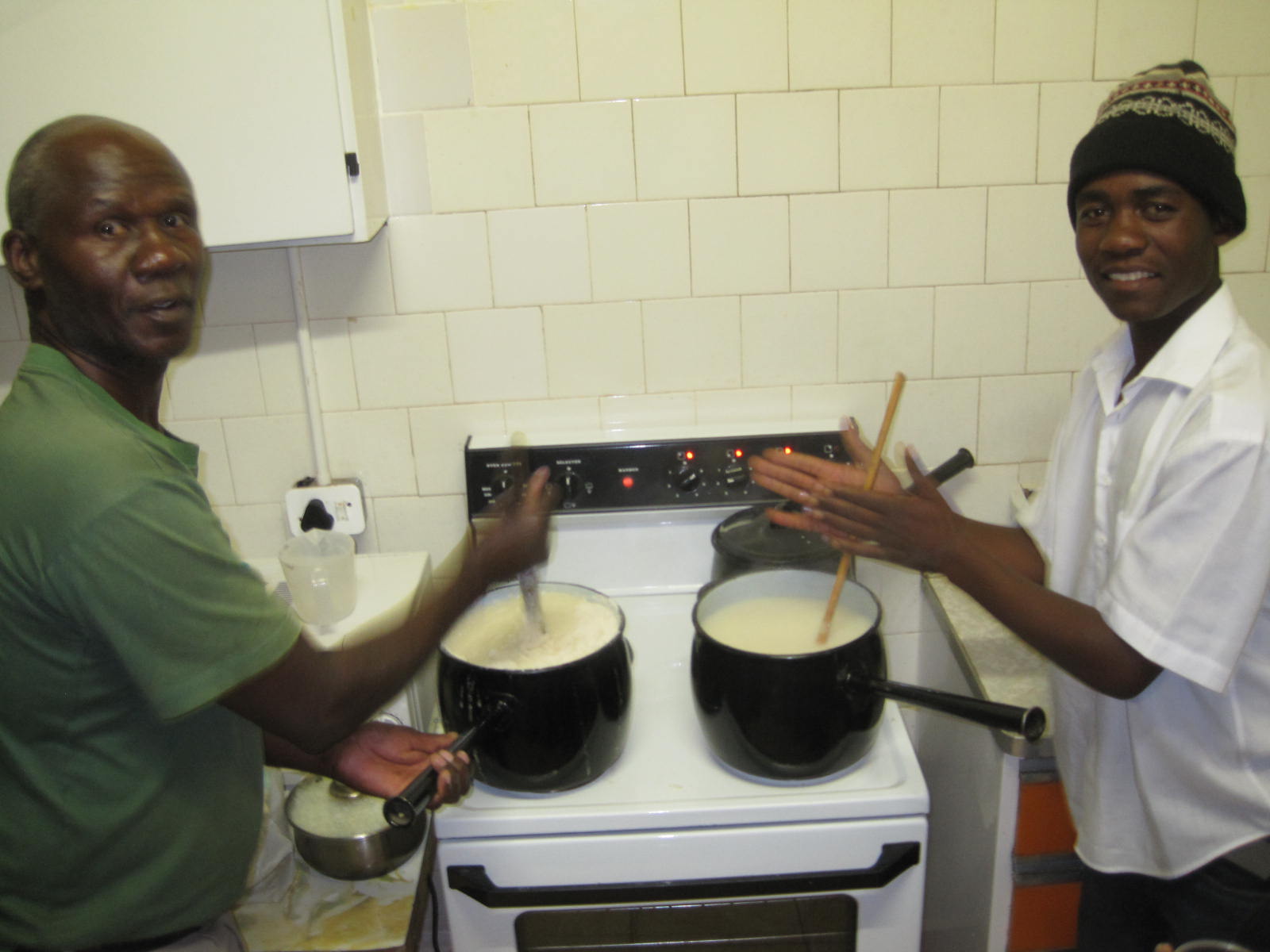
 With a new country always comes new foods. In Zimbabwe, the staple food is sadza. This white bland pasty food made from ground corn is ubiquitous. The closest I can describe it to my American friends is imagining grits with consistency of mashed potatoes. This food is eaten daily by most Zimbabweans and at every meal for some. A local junior doctor joked that if a Zimbabwean goes 3 days without sadza, they start speaking incoherently, sweating and may go into convulsions. Personally, it is such a heavy food that it feels like a dense brick sitting in your stomach after eating it. Considering the scarcity of food at times, this very full feeling can be a welcome one. Pictured here is one of our drivers and a guard showing how it's made. They're vigorously mixing the water and cornmeal on our stove at Sarah's farwell party.


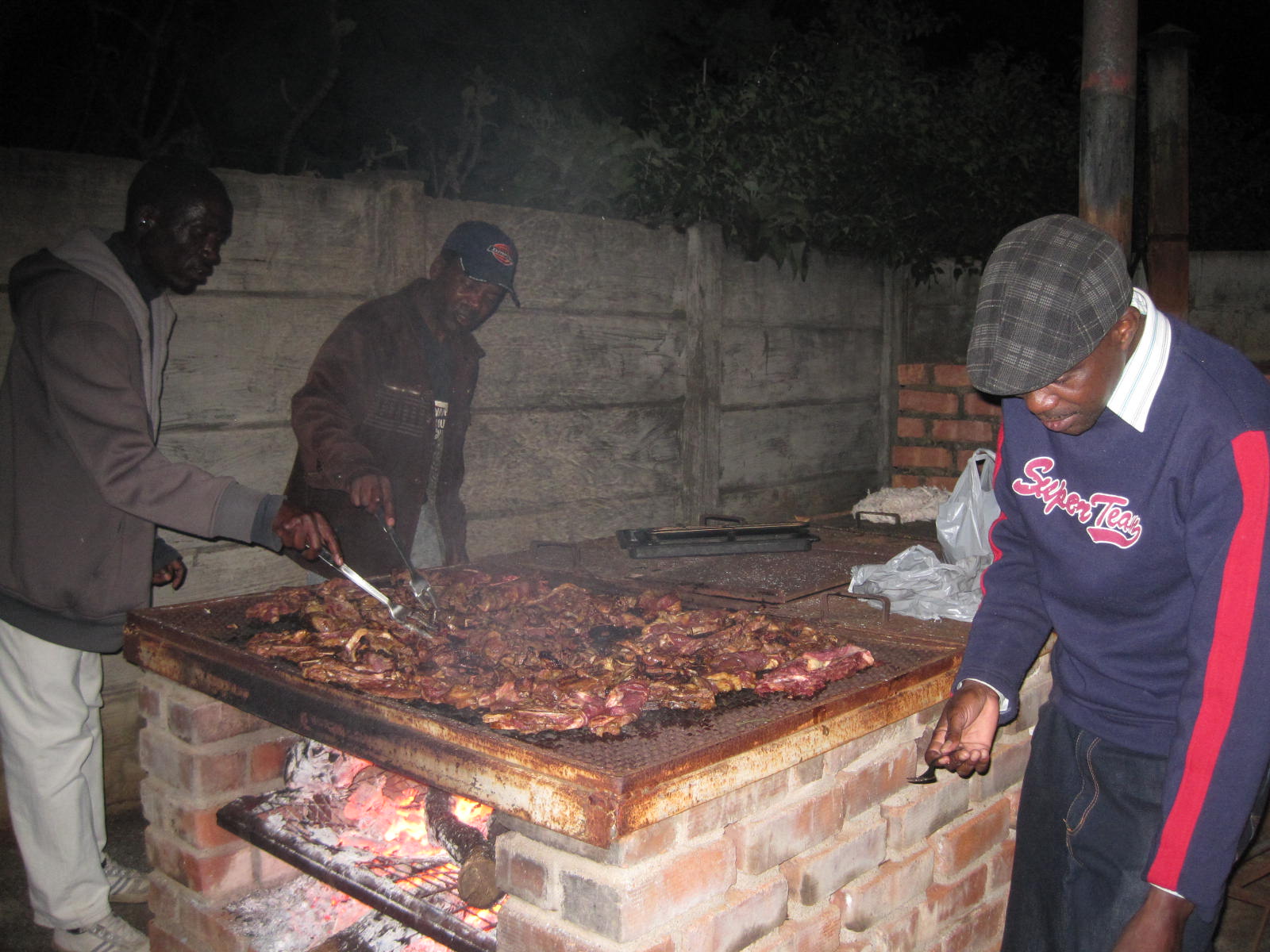
 The second term I learned here is 'braai' (rhymes with bye), known in the U.S. as a BBQ. It's an Afrikaans word meaning "grilled meat." Close proximity to South Africa means alot of Afrikaans words get thrown in. Unlike sadza, this I've been indulging in very happily. The free range cattle all over the country results in some mouth watering T-bone steaks for about $2 per person. At the same farwell party last month, with over 50 attending, there were a lot of steaks on the grill.


 At evening concerts, usually in a large outdoor field, there are rows of self-serve grills. You buy your raw beef or chicken by the kilogram from one stand and salt to taste. Next you take it over to the grill and grab any available rod to flip your meal and take it hot and dripping off the heat while chatting with your friends or other concert go-ers.

Wednesday, 8 June 2011

Winter, Fall then Winter again?

Leaving S.F. in the winter, I headed to the Hague, Netherlands to see Nadeah in Jan to join her in the chilly European winter. The past few months in Zim have been a mild fall and now the winter has arrived. Flipping from Northern to Southern hemisphere at this time of year gets you that unlucky sequence. Temperatures of hi 30s and lo 40s in the morning and late evenings wouldn't seem so horrible given my years in Chicago- but there's a catch. NO central heating source anywhere! There's a fireplace that hopefully doesn't have a bee hive in it this time around.

Tuesday, 10 May 2011

Abandoning a sinking (fading?) ship

  HIV/AIDS projects will officially be handed over by end of the year in Bulawayo to the Ministry of Health. That means for the 64 Zimbabweans that work on our project, they need to find a new job by then. Though it would be great to have them all stick around until the very end- we're encouraging our colleagues to take jobs as they find one. This means a lot of farewell parties.


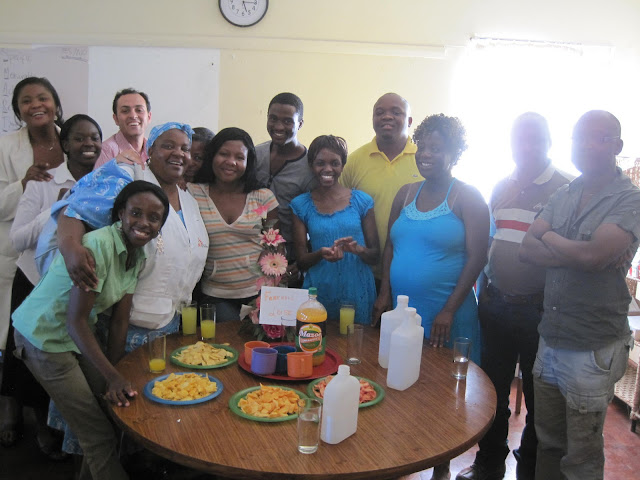
 The leader of our data collection and statistics team moved on to greener pastures with Elizabeth Glaser Pediatric AIDS Foundation in Harare. In the group photo above taken 1 month ago, alread 3 have moved on to positions elsewhere. Two of them with MSF at other sites. Besides the larger group photo, there's one of just her team.


All of these colleagues will be missed and it means we're that much closer to the remaining crew having to all say goodbye to each other in a few months.

Thursday, 5 May 2011

Living in the MSF Hostel

  Over the course of these 3 weeks, our home will have 14 different visitors stay for as short as a night to as long as 10 days. Being in the 2nd largest city in Zim and the largest one with a project in it- Bulawayo and our home in particular, is a hot destination point. It makes our home feel more like a hostel.

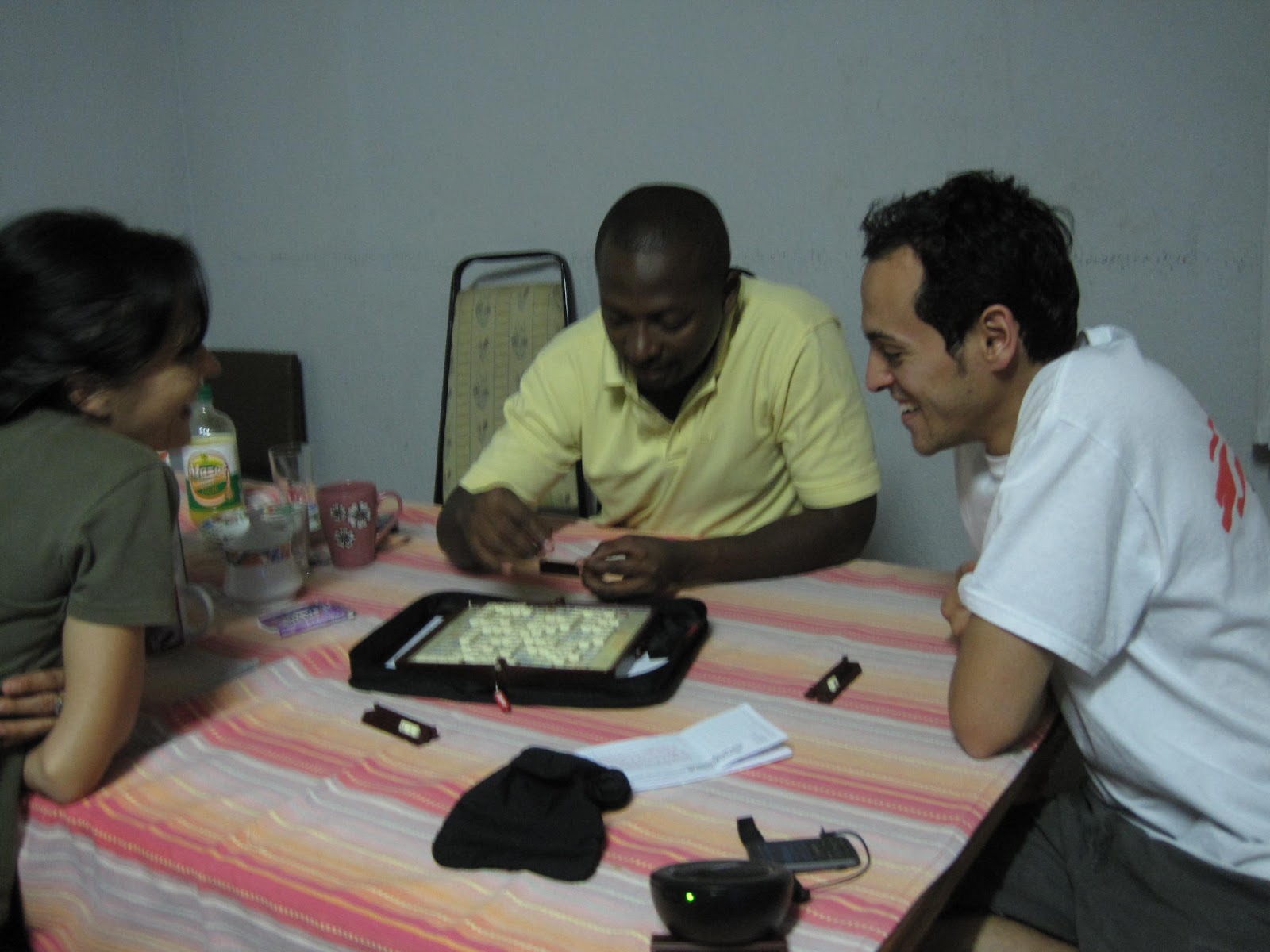
  The three of us (soon to be just two) that live here get to meet these other MSF volunteers- from Italy, Colombia, Greece, Scotland, Spain- and get a glimpse of their life/motivations as they pass through. We have team dinners, play UNO or scrabble and lounge after our long days at the clinic/office.


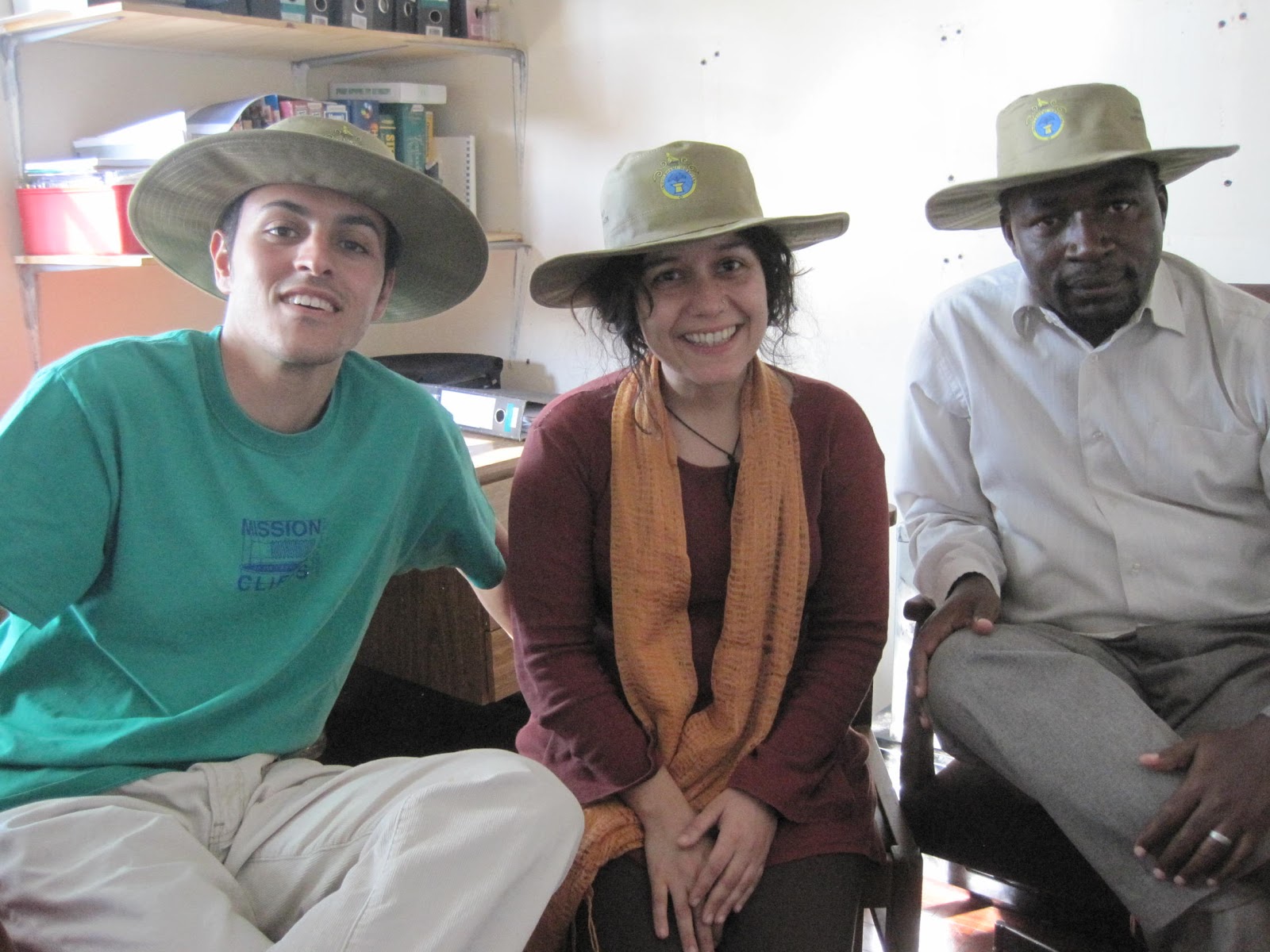
  Most of the guests are from other projects in Zimbabwe, stopping by for a grocery trip in the "big city." Others are on their way to/from the capital- Harare. A few are "flying consultants" from MSF headquarters, such as Stella, a mental health consultant, who comes to each of the country's projects to identify needs and improve the quality of our work. She's off to the Congo (DRC) next. She got us these great hats from a local mental health institution as part of a fundraiser.


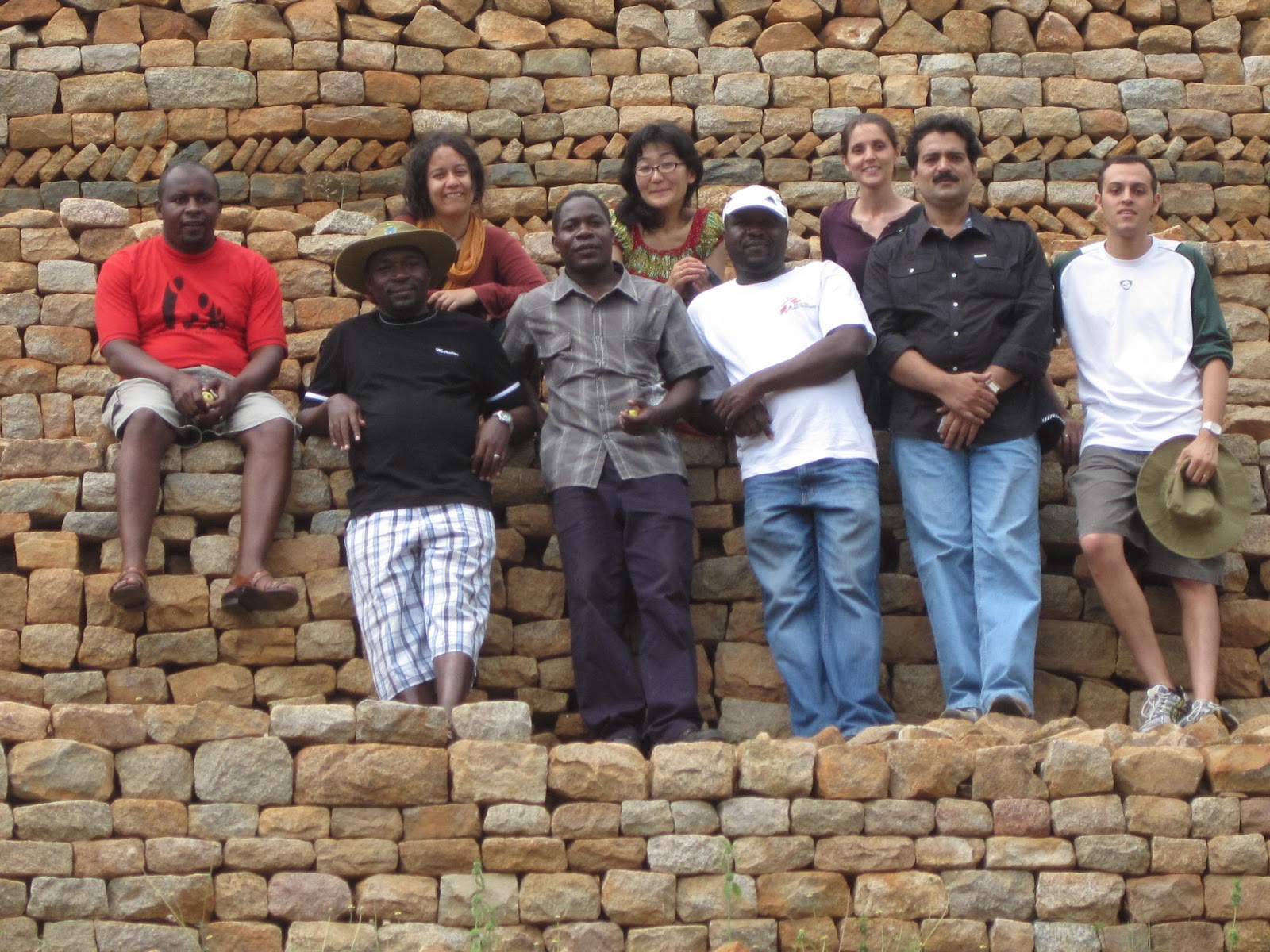
 The advantage of having visitors- like back in San Francisco- is they all want to see the region's sights. Stella got us to see Khami Ruins, the remains of the Zulu civilization from a few hundred years ago. Along with some of our drivers, we got to scale up the fortress walls built on a sloped hill.


Friday, 8 April 2011

Doctor -> City Health Planner

 Big picture of what we're doing: We're working at the main referral clinic in this half of the country that starts kids and adolescents (0-19) on HIV meds. Wonderful that word has spread, but it means after 7 years, the place is bursting at it seams with patients.

 One of my jobs is building capacity at smaller clinics on outskirts of Bulawayo to take on all the pediatric HIV patients that are  doing well so when we leave- the main central clinic is not overwhelmed. Meetings monthly with the Bulawayo City Council- which runs these 19 peripheral clinics- to propose more decentralized clinics and talk about how this will happen. The internal politics- like anywhere- is very complicated. Who will do the labs? How much will they get paid? What if they’re overwhelmed?

 What keeps us going is how happy these families are once they arrive at the smaller local clinics. Rather than spending a whole day of waiting with hundreds of others in a vast waiting room- they converse with the 6-7 other families and are done with everything within an hour. Knowing that this legacy will hopefully continue when we leave makes all the hard work that much easier.

Wednesday, 16 March 2011

Ndebele and other languages

For those who love languages- you'd be fascinated by the Ndebele language. It's spoken by 1/5  of people in Zimbabwe- all in this region known as Matabeleland. The different clicks are fun to learn. It is related to Zulu, mainly found in South Africa and they can understand one another. The primary language of Zim- Shona is different and spoken by majority in the country.

Formerly known as Rhodesia after John Rhodes (as in Rhodes Scholars) the primary language is in fact English- making life easier for me. The country's name changed to Zimbabwe when Mugabe took power in  1980. The accent  difference between English in Zim and South Africa is also great. It's related but like neighboring accents in England & Scotland, noticeably different. Best example for those who are curious is Leonardo di Caprio in "Blood  Diamond" in which he plays a Rhodesian involved in the smuggling of diamonds under Charles Taylor regime in Sierra Leone into Liberia.

Oddly enough, there is a French speaking Alliance in Bulawayo. They offer great entertainment & cultural events. Been to a few of them where I've befriended some of the members this month. Wed night's Cabaret (different meaning from how it's used back home) featured a French singer/songwriter playing 5 different instruments.

Saturday, 12 March 2011

A lost generation

A friend sent me some questions this week


Hardest part of your work out there?
 
  Hardest part is honestly the patients incredibly challenging social situations. A generation is literally dying off from the AIDS epidemic so grandparents are the main caretakers. Between limited resources and their knowledge & understanding of adherence to complicated regimens, providing excellent care is tough. Tribute to our counselors in the clinic that it works at all!


How often are you newlyweds in touch?

 Nadeah and I use Gchat (we have internet at MSF office- but not at clinic or the house) about weekly and send e-mails most days. We'll see each other in May for her graduation as a lawyer in Cleveland.


Do you have any help at home with cooking and chores?

We have a maid at the house that does our laundry and cooks dinner each weekday. On weekends we're on our own. The other two docs are great and I really like living with them- which is key because we spend all day working and evening socializing together.

Best wishes on match day next week to all those involved!

Monday, 28 February 2011

So what exactly AM I doing here?

 My first month has been great overall in Zimbabwe. Decided for this entry to give you my typical day and some of our projects:

Awake: 6:45am
Bike (what did you expect?) to office along partially paved roads under canopy of jacaranda trees to send e-mails before clinic work begins: 7:30am


Leave office for the clinic: 8:10 am

The staff congregates at the office- from which the five MSF vehicles get loaded up and scheduled departures to the clinics and other sites around the city to do the trainings and meet with local partner organizations.

NUST* Hospital: rounds on the patients with one of the med school's 3 pediatricians- if one is actually there. If not, I consult with the junior doctors on their pediatric 4month rotation on a few of the complicated ones. Occasionally give lectures on peds topics- 8:30-11am

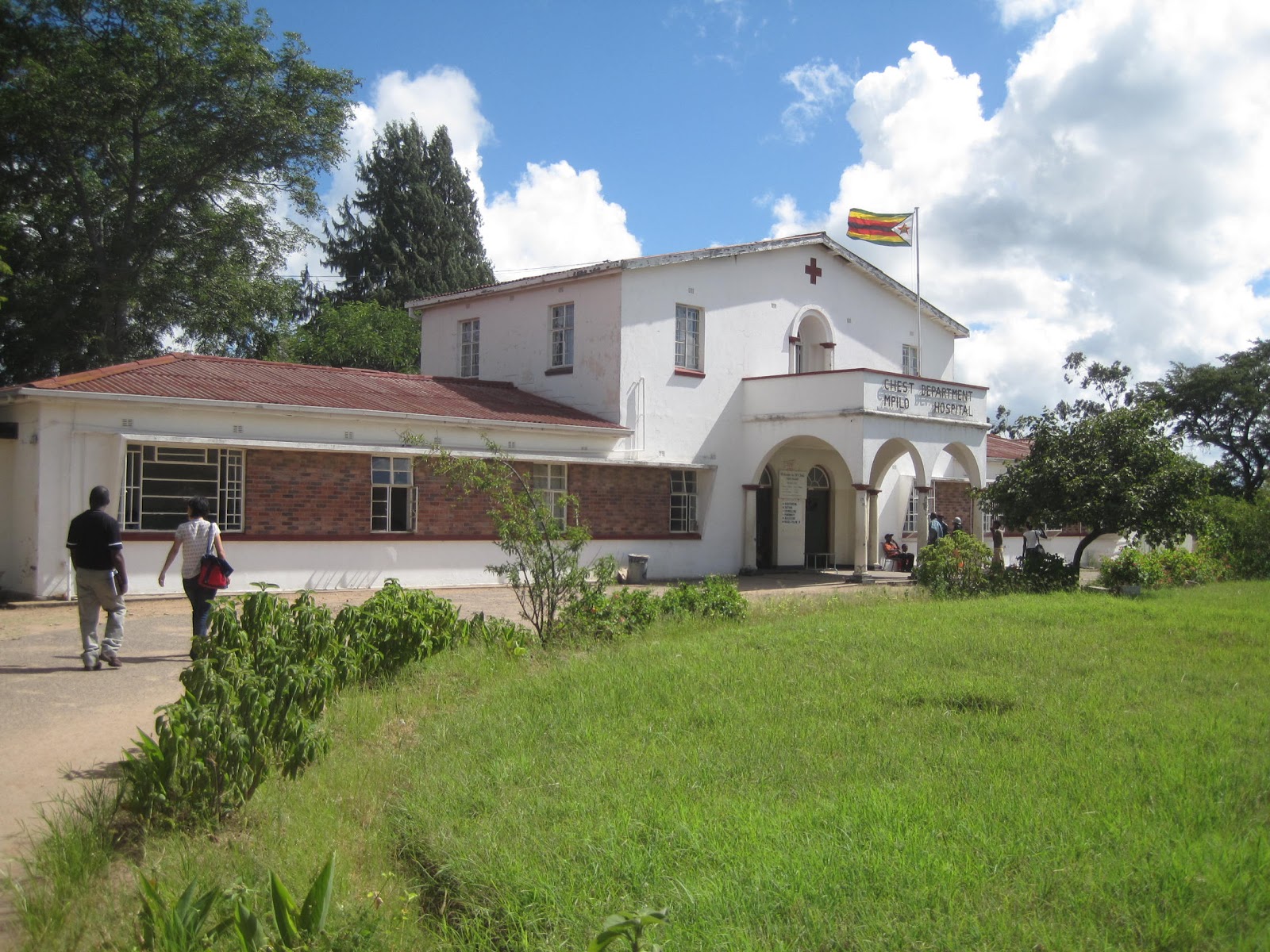
Mpilo* Clinic: [img 150, those 2 are my co-docs] with children sitting in patient mother's laps on benches that go on for hundreds of feet alongside all the corridors. This is my main hub for the year. 3,500 children with HIV or suspected (definitive diagnosis is difficult in 1st year of life). The former MSF pediatrician, Sarah, finishes her clinic work next week. She's sticking around to do research on virological, immunological failure of HIV treatment for 2 months before she heads back to Ireland. More patient stories in future installments- 12-4pm


HF Radio request on our personal 2-way radio for a MSF vehicle to pick us up when work is completed. Fun to start learning to speak in radio code! "Bravo, this is Yousef requesting transport back to base at 16 hundred 30. Over" When I bike home, before arriving to the security gate of our place, "Romeo 1, Romeo 1 this is Zulu Yellow approaching. Permission to enter. Over" -6pm

Bike home for dinner 6-7pm


Overview: Bulawayo [Bull-uh-why-o] MSF 5-6 different projects, each with a few sites they visit. A total of 68 employees, 64 are Zimbabwean locals. Foreigners are 3 doctors (Tanzanian, Irish and me) and our Indian project coordinator with his wife and adorable 7mo old baby, Adi.

The rate of HIV in one of the local clinics for pregnant woman was 21%. Placing it among the highest in the world.

 MSF has lots of outreach projects in the community. For example... An HIV sensitization training this week for principals so that students can be allowed to take their HIV meds on time, have confidentiality and they understand the challenges they face at school. This was done by 2 of the counselors. We have 5 professional and 3 'peer counselors' which are people living with HIV that are there to empower moms and answer the questions about day to day life with an HIV exposed child.

 The counselors spend half their time counseling- moms w/ babies exposed to HIV, teenagers having hard time staying on their meds and orphans who've lost both parents to HIV and are shuttled from one home to another. The other half of their time is educating the community.


  Another program is PMTCT (prevention of mother to child transmission). Empowering moms to do all they can to prevent the disease to be passed on. Requires training not just nurses and doctors- but midwives, local shamans and witch doctors to be on board as they attend most of the rural deliveries.

This full service, long-term care (which makes real difference in people's lives) is only a small facet of MSF globally, but a growing one. As donations increase, a push is being made to do more than just emergency care- though that will always be priority #1.

Weekends: There's a large NGO community, so we've been socializing with WorldVision, ICRC (Int'l Comm of the Red Cross) and a few other smaller ones from Europe. More on our socializing in the future.

 Went to my first African national park- Matopos. A great first foray into the wild. I climbed onto boulders alongside a waterfall and heard loud noises behind me and saw a rush of a dozen baboons scurrying across the rocks into the trees. Ancient cave paintings- thought to be up to 10,000 years old throughout this massive granite park. Saw a brown hyena on side of the road- likely road kill :( Also a jackal, multiple Kudu (looks like antelope/deer) crossing our land rover's path.

 More next month!


*NUST = National University of Science & Technology
*MPILO = 'life' in Ndebele, the regional language which is similar to Zulu. Has clicks like swahili. Fun to listen to!

Sunday, 6 February 2011

Arrival in Bulawayo, Zimbabwe


 Arrived in Zimbabwe on Wed in the capital city of Harare and met the main coordination team for the MSF (Médecins Sans Frontières) projects in the whole country. I stayed with David from Spain and his 2 kids.


After a couple days of briefing at the headquarters, took a nice bus (think greyhound) 6hrs across country to 2nd biggest city where I'll be for the year of projects- Bulawayo.


 My team consists of 65 people. Only 4 of us are international, the other 61 are Zimbabwean. Coordinator, Ashay from India is here with his wife, Jesse and adorable 6mo old boy, Adi. Sarah is the pediatrician from Ireland that is handing off the project to me. She's around for the next few months doing research on the amazingly cohort of 3,500 children with HIV (confirmed/suspected).

  We are very fortunate as we live in a safe compound with a guard that is rented from a successful farmer in the area for a good deal. My bedroom overlooks our large yard and gets lots of sunshine as well as sounds of tropical birds waking me at 5am every now and then. Wakes me up and reminds me I'm in Africa.

 My official orientation begins Monday morning. The weather has been amazing (75-80) and sunny with a few rains here and there and lush greenery with kind people everywhere. This is going to be a tough and challenging project in an amazing setting.

for more on the City of Bulawayo